 Newsverz
Science ·
科学家发现高血糖如何帮助癌细胞躲避免疫系统
一项新研究显示,癌细胞会在自身周围构筑一层厚厚的糖质屏障以逃避免疫攻击——而高血糖会让这层屏障变得更加强大。
本文由AI根据下方引用的来源综合生成。
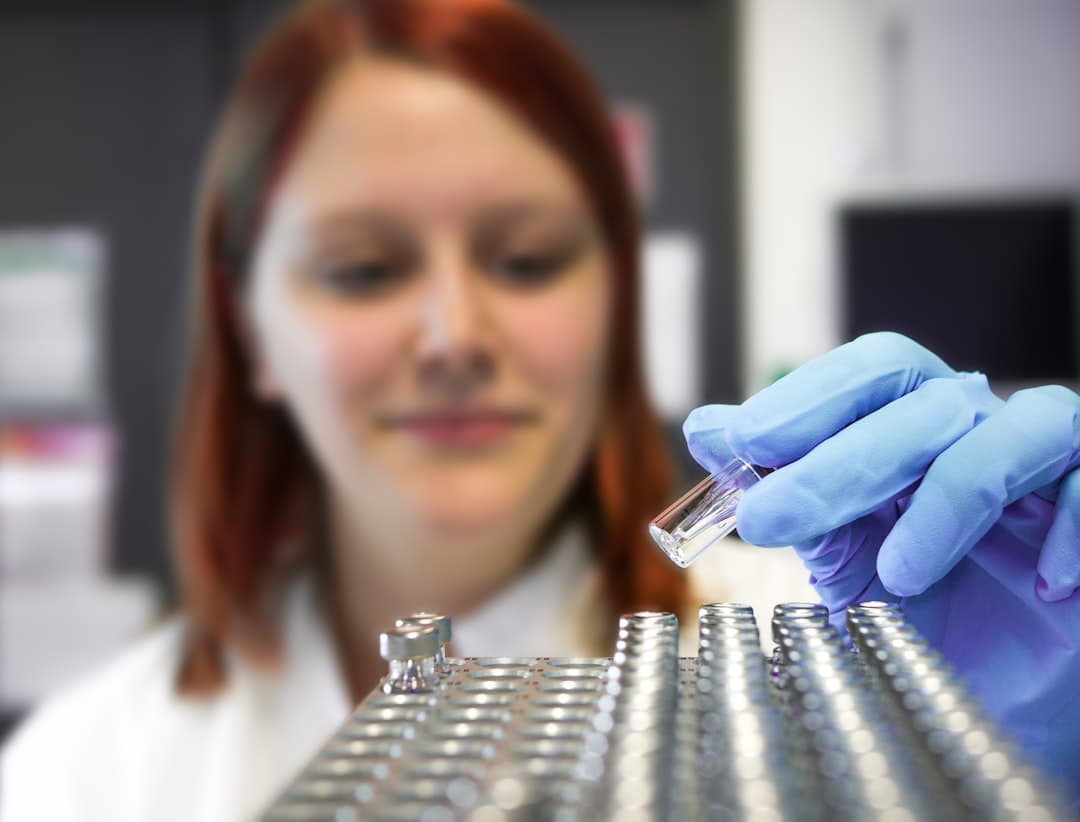
科学家们发现了一种可能解释某些肿瘤如何逃避免疫系统的机制:癌细胞会在自身周围构筑一层富含糖分的厚屏障,而在高血糖水平下,这层屏障的防护效果会进一步增强。
这层被称为“糖萼”的结构,是一层由糖类衍生分子构成的致密外层,天然存在于人体大多数细胞表面。圣地亚哥Sanford Burnham Prebys医学发现研究所的研究人员与北美各地的合作者共同发现,癌细胞可以利用这层结构作为伪装——将其加厚到足以在物理上阻挡T细胞、抗体及其他免疫防御力量接触肿瘤表面受体的程度。
这项发表于8月7日《科学进展》(Science Advances)的研究发现,在模拟肿瘤内部环境的条件下,高血糖会增强这层屏障的防护力。一种名为HSF1的蛋白质似乎在这一增厚过程中发挥核心作用,它会对肿瘤周围微环境——即环绕肿瘤的免疫细胞、结缔组织、血管及其他分子的混合体——作出响应,从而强化癌细胞的伪装。
这一发现为肿瘤学家多年来的一种猜测提供了生物学解释:血糖控制不佳往往与更差的癌症预后相关。如果血糖升高确实在直接帮助肿瘤躲避免疫系统,那么相较于此前主导相关讨论的一般性代谢解释,这将是一个更为具体的作用机制。
此外,这一发现还带来了潜在的治疗思路。在实验室实验中,抑制HSF1可阻止糖质屏障进一步增厚,从而有效剥除肿瘤的伪装,使免疫细胞得以识别并攻击它。这为专门靶向HSF1的药物研发打开了大门——与其直接增强免疫系统的攻击力,不如先让肿瘤更容易被发现,从而有可能使现有的免疫疗法更加有效。
Key facts
- Cancer cells build a sugar-rich coating called the glycocalyx to evade immune detection
- High blood sugar strengthens this protective shield
- The protein HSF1 plays a key role in thickening the shield
- Published August 7 in Science Advances by Sanford Burnham Prebys researchers
Related articles

Science ·
How Tumors Hide From Your Immune System - And How Scientists Are Fighting Back
Your immune system is built to hunt down abnormal cells, including cancer - so why doesn't it always work? Here's how tumors evade detection, and how a new generation of treatments is exposing them.
Health ·
Women Using HRT at Lower Risk of Dementia, Large Study Suggests
A large study tracking more than 180,000 postmenopausal women in the UK has found that those who used hormone replacement therapy were 10% less likely to be diagnosed with dementia and 16% less likely to develop Alzheimer's compared to those who never used it.
Science ·
1.4-Million-Year-Old Footprints Reveal a Surprisingly Large, Social Human Relative
Fossil tracks in Kenya show eight Paranthropus boisei individuals - mostly adult males, standing up to 1.8 meters tall - walking together along a lakeshore, hinting at complex group behavior.
Science ·
Nonprofit Plans 80,000-Year Mission to Alpha Centauri - for Under $15 Million
A Redmond-based nonprofit wants to launch the first spacecraft deliberately aimed at another star system by 2029, using an AI-plotted trajectory and a budget smaller than many single satellites.
Science ·
Archaeologists Unearth 11,000-Year-Old Statue of a Person Riding a Leopard in Turkey
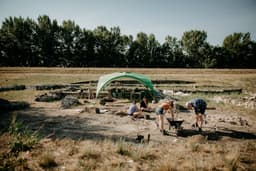
Excavators at the Neolithic site of Karahantepe in southeastern Türkiye have uncovered a 70-centimeter stone statue of a human figure seated on a leopard, described by archaeologists as unlike anything previously found from the period.
Comments
Loading comments...