 Newsverz
Science ·
هابل يكتشف نمطا طقسيا غامضا ذا عشرة أضلاع عند القطب الجنوبي لكوكب زحل
اكتشف علماء الفلك باستخدام تلسكوب هابل الفضائي نمطا جويا ضخما ذا عشرة أضلاع يحيط بالقطب الجنوبي لكوكب زحل، يبلغ عرضه نحو 168 ألف كيلومتر، في أول رصد لتيار نفاث كبير بشكل مضلع في نصف الكرة الجنوبي للكوكب.
تم تجميع هذا المحتوى بالذكاء الاصطناعي من المصادر المذكورة أدناه.
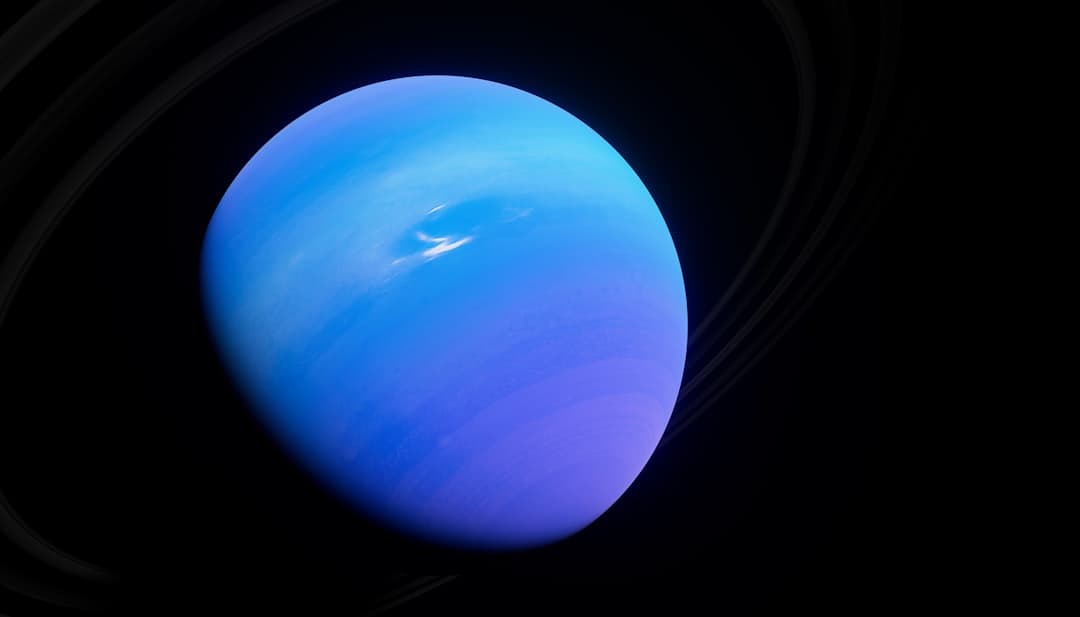
اكتشف علماء الفلك باستخدام تلسكوب هابل الفضائي سمة جوية ضخمة ذات عشرة أضلاع تحيط بالقطب الجنوبي لكوكب زحل، تمتد على مسافة نحو 168 ألف كيلومتر، أو نحو 16780 كيلومترا لكل ضلع، وفقا لنتائج نُشرت في مجلة Science Advances. ويمثل ذلك أول نمط تيار نفاث كبير بشكل مضلع يُرصد في نصف الكرة الجنوبي لزحل، وهو نظير لافت للتيار النفاث السداسي الشهير الذي يحيط بالقطب الشمالي للكوكب منذ عقود.
وقال الباحثون إن الشكل العشاري يبدو أنه بدأ بالظهور تدريجيا على مدى السنوات القليلة الماضية، استنادا إلى مراجعة لرصدات هابل التي تعود إلى عام 2023. ويعتقد العلماء أن هذه الأنماط الجوية المضلعة تتشكل من تفاعلات معقدة بين تيارات نفاثة سريعة الحركة عند خطوط عرض مختلفة، رغم أن الديناميكيات الكامنة التي تحدد العدد الدقيق للأضلاع لا تزال مجال دراسة نشط. ويضيف الاكتشاف إلى صورة متنامية لغلاف زحل الجوي باعتباره من أكثر الأغلفة الجوية ديناميكية وغرابة هندسية في المجموعة الشمسية.
Key facts
- Hubble discovered a ten-sided atmospheric pattern circling Saturn's south pole, about 104,250 miles across
- It is the first large polygon-shaped jet stream observed in Saturn's southern hemisphere
- It is a counterpart to Saturn's well-known hexagonal jet stream at the north pole
- The pattern appears to have gradually emerged over the past several years, based on Hubble data since 2023
- Findings were published in the journal Science Advances
Related articles

Science ·
NASA's Roman Space Telescope Launches Toward Deep Space Survey Mission
NASA's Nancy Grace Roman Space Telescope launched from Kennedy Space Center on a SpaceX Falcon Heavy rocket, beginning a roughly month-long journey to a gravitationally stable point beyond Earth's orbit where it will survey the cosmos roughly a thousand times faster than the Hubble Space Telescope.

Science ·
Scientists Discover Hidden Heat Anomaly Deep Beneath Mars's Southern Hemisphere
A new study using gravity measurements reveals that the interior beneath Mars's southern hemisphere may be 200 to 400 degrees Celsius hotter than the north and partially molten, offering clues to the planet's magnetism and geologic history.

Science ·
Nonprofit Plans 80,000-Year Mission to Alpha Centauri - for Under $15 Million
A Redmond-based nonprofit wants to launch the first spacecraft deliberately aimed at another star system by 2029, using an AI-plotted trajectory and a budget smaller than many single satellites.

Science ·
NASA's Roman Space Telescope Launches on Falcon Heavy Toward Deep Space Survey Mission
NASA's Nancy Grace Roman Space Telescope lifted off successfully aboard a SpaceX Falcon Heavy rocket, beginning a mission to survey billions of galaxies and search for exoplanets from a vantage point a million miles from Earth.

Science ·
Astronomers Capture Clearest-Ever Image of Betelgeuse's Long-Suspected Companion Star
An international team using the European Southern Observatory's Very Large Telescope has produced the sharpest image yet of a faint companion star orbiting Betelgeuse, closing in on a mystery astronomers have debated for nearly a century.
Comments
Loading comments...