 Newsverz
Science ·
140万年前的脚印揭示了一种体型惊人巨大、具有社会性的人类远亲
肯尼亚发现的化石足迹显示,八个南方古猿鲍氏种(Paranthropus boisei)个体——大多为成年雄性,身高可达1.8米——曾一起沿湖岸行走,暗示其存在复杂的群体行为。
本文由AI根据下方引用的来源综合生成。
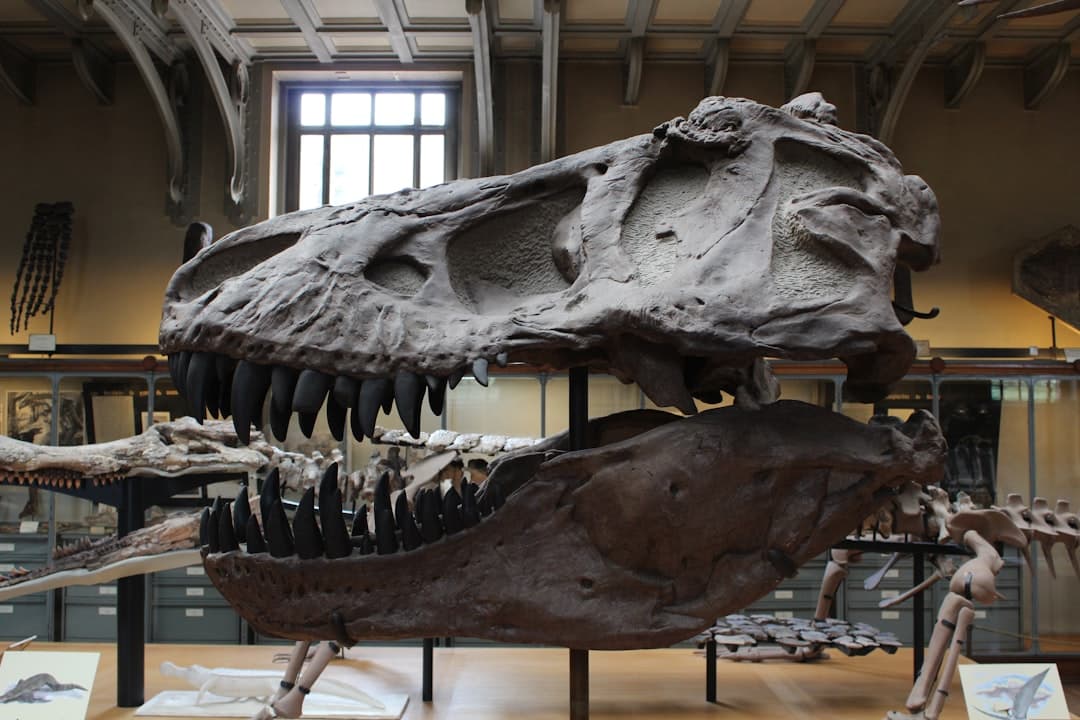
一组在肯尼亚保存了140万年的化石脚印,正在改写科学家对人类某个远古亲属的认知——包括它的体型有多大,以及它是如何生活的。
这些足迹在图尔卡纳湖附近的库比福拉地层中被发现,年代约为143万年前。它们凝固了时间中的一个瞬间:至少八个南方古猿鲍氏种(Paranthropus boisei,一种以巨大颌骨和牙齿著称的已灭绝古人类物种)个体,在潮湿的地面上一同行走,随后地面很快变硬,将它们的足迹永久固定下来。
最引人注目的发现是体型。根据足迹的深度和间距,研究人员估计其中一些个体身高可达1.8米,体重约75公斤——远大于此前的估计。此前的估计基于少量罕见的化石骨骼,认为该物种体型相当小,体态更接近类人猿。
同样重要的是这些足迹揭示出的行为信息。这一群体似乎主要由结伴而行的成年雄性组成,足迹中并未发现明显的雌性或幼年个体证据。参与该研究的哈佛大学研究员尼尔·罗奇(Neil Roach)表示:“八个南方古猿鲍氏种个体(大多为成年雄性)看似结伴而行、且没有雌性或幼崽同行,这一现象暗示该物种可能存在复杂的社会结构。”
化石骨骼能为科学家提供大量关于解剖结构的信息,但很少能揭示行为——足迹是少数能够捕捉到实际活动瞬间、而非仅仅是身体遗骸的证据类型之一。这项研究发表于《美国国家科学院院刊》(PNAS),由查塔姆大学和马克斯·普朗克进化人类学研究所的团队主导,使南方古猿鲍氏种跻身于为数不多的、留有可供研究的化石化“行为”证据(而不仅仅是骨骼)的古人类物种之列。
Key facts
- Footprints in Kenya's Koobi Fora Formation date to about 1.43 million years ago
- At least eight Paranthropus boisei individuals walked together
- Some individuals stood up to 1.8 meters tall and weighed about 75 kilograms
- The group appears to have been mostly adult males, hinting at complex social structure
Related articles
Science ·
Archaeologists Unearth 11,000-Year-Old Statue of a Person Riding a Leopard in Turkey
Excavators at the Neolithic site of Karahantepe in southeastern Türkiye have uncovered a 70-centimeter stone statue of a human figure seated on a leopard, described by archaeologists as unlike anything previously found from the period.

Science ·
Scientists Find How High Blood Sugar Helps Cancer Cells Hide From the Immune System
A new study shows cancer cells build a thick sugary shield around themselves to evade immune attack - and that high blood sugar makes that shield even stronger.

Science ·
Nonprofit Plans 80,000-Year Mission to Alpha Centauri - for Under $15 Million
A Redmond-based nonprofit wants to launch the first spacecraft deliberately aimed at another star system by 2029, using an AI-plotted trajectory and a budget smaller than many single satellites.

Science ·
How Tumors Hide From Your Immune System - And How Scientists Are Fighting Back
Your immune system is built to hunt down abnormal cells, including cancer - so why doesn't it always work? Here's how tumors evade detection, and how a new generation of treatments is exposing them.

Science ·
El Niño Events Now Strongest in 1,000 Years as Climate Change Supercharges the Pacific Ocean Pattern
A study analyzing 1,000 years of Galápagos coral records found that El Niño events over the past 40 years have been nearly 40% stronger than at any point since before industrialization, providing some of the clearest evidence yet linking climate change to the intensifying pattern.
Comments
Loading comments...