 Newsverz
Politics ·
What Is a Government Shutdown? A Plain-English Guide
Government shutdowns happen when Congress and the president fail to pass funding bills before money runs out. Here's what actually shuts down, what keeps running, and why this keeps happening.
AI-synthesized from the cited sources below.
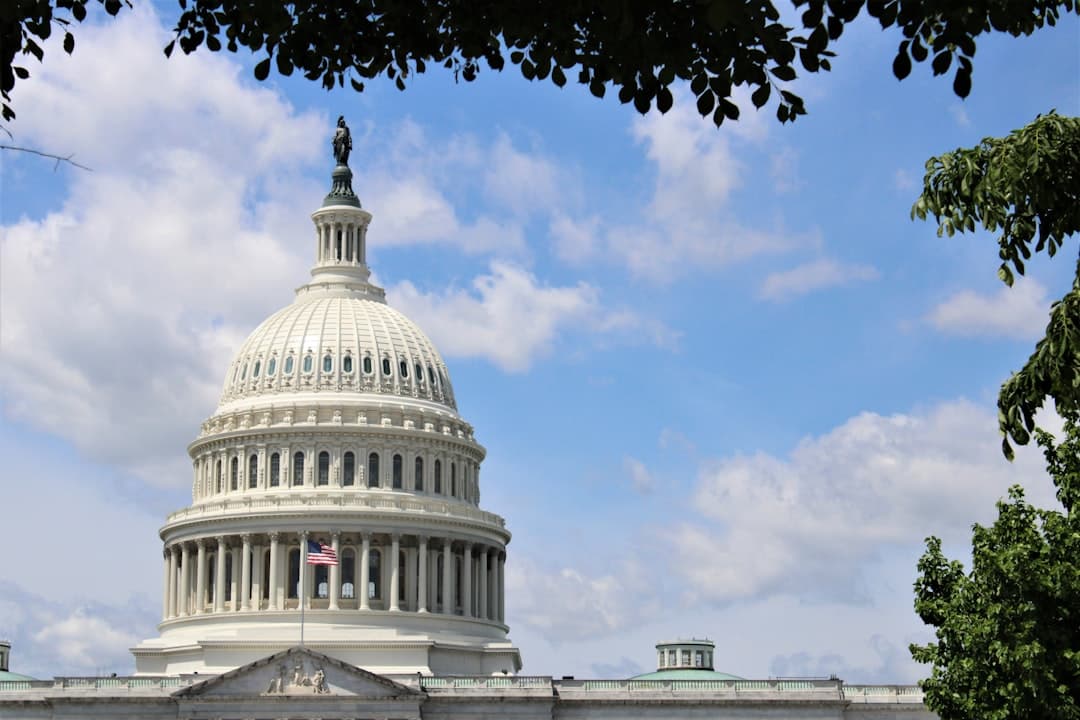
Every year or two, headlines warn of a looming "government shutdown," and every time, the same questions come up: what does that actually mean, what stops working, and why does this keep happening? Here's a plain-English breakdown.
At its core, a government shutdown happens because of how the U.S. funds itself. Unlike many governments that operate on automatic, ongoing budgets, the U.S. federal government requires Congress to pass new spending legislation - appropriations bills - every fiscal year, which runs from October 1 to September 30. If Congress doesn't pass those bills, and the president doesn't sign them, into law before the money from the previous year runs out, most federal agencies legally lose their authority to spend money. That's a shutdown.
The legal basis is the Antideficiency Act, a law dating back over a century, which bars federal agencies from spending money Congress hasn't appropriated. When funding lapses, agencies aren't just low on cash - they're legally forbidden from continuing normal operations, with narrow exceptions.
**What actually happens during a shutdown**
Not everything stops. Federal work is divided into "essential" and "non-essential" (officially called "excepted" and "non-excepted") functions. Excepted employees - those whose work protects life or property, like air traffic controllers, active-duty military, federal law enforcement, and Transportation Security Administration screeners - keep working, though often without pay until funding resumes. Non-excepted employees are furloughed: sent home, not permitted to work, and also not paid until the shutdown ends.
Social Security and Medicare checks generally keep going out, since those programs have their own funding streams separate from annual appropriations. The postal service, which is self-funded, keeps delivering mail. But national parks may close or run with skeleton staff, passport and visa processing slows dramatically, small business loan approvals stall, and federal agencies that handle everything from food safety inspections to economic data releases scale back sharply.
Congress members and the president continue to be paid, since their compensation is set by other, permanent law - a frequent point of public frustration given that the employees actually affected by the shutdown are not.
**Why it keeps happening**
Shutdowns are almost always a symptom of a larger political standoff. Because appropriations bills need to pass both the House and Senate and be signed by the president, any one of those three - a House majority, a Senate majority (which effectively needs 60 votes to overcome a filibuster on most bills), or the president - can block funding to try to extract concessions on unrelated policy fights: immigration, health care, spending levels, or a specific provision one side wants attached to the bill.
Congress has a tool to buy time: a continuing resolution, or CR, which temporarily extends funding at existing levels without passing full-year appropriations bills. CRs are meant to be short-term bridges while negotiations continue, but in recent decades they've become a routine way of avoiding shutdowns - or, when a CR itself fails to pass, the trigger for one.
**How shutdowns usually end**
Most shutdowns end the way they start: through negotiation, once the political or economic pain becomes too costly for one side to sustain. Public opinion typically turns against whichever side is seen as most responsible, which creates pressure to compromise. Historically, shutdowns have lasted anywhere from a single day to, in the case of the 2018-2019 shutdown over border wall funding, 35 days - the longest in U.S. history.
Economists broadly agree that shutdowns are costly and inefficient even when short: back pay for furloughed workers who didn't work still has to be paid once funding resumes, contracts get delayed, and economic data that businesses and the Federal Reserve rely on gets disrupted. The Congressional Budget Office estimated the 2018-2019 shutdown alone cost the economy about $3 billion that was never recovered.
**The bottom line**
A government shutdown isn't a single dramatic event so much as the visible symptom of Congress failing to agree on spending on schedule. It has real, if often delayed, consequences for federal workers, contractors, and anyone who relies on federal services - even as most of the government, especially anything involving public safety, keeps running in some reduced form. Because the underlying dynamic - a divided Congress needing to agree on funding every year - doesn't go away, shutdowns and near-shutdowns have become a recurring feature of U.S. politics rather than a rare emergency.
Key facts
- A shutdown occurs when Congress fails to pass funding bills before the fiscal year's money runs out
- The Antideficiency Act legally bars agencies from spending unappropriated funds
- "Excepted" workers like air traffic controllers and the military keep working without pay; other federal employees are furloughed
- The longest US shutdown in history lasted 35 days, from December 2018 to January 2019
Related articles

Politics ·
Trump Officials Threaten Kennedy Center Demolition Amid Renovation Legal Battle
Justice Department officials have threatened to demolish the Kennedy Center if a court blocks planned renovations, while also requesting that Donald Trump's name be restored to the building following its removal earlier this year.

Politics ·
Channel 5 Announces Drama Examining Peter Murrell's Embezzlement of SNP Funds and Impact on Nicola Sturgeon
Channel 5 has commissioned a new drama titled "To Nicola, Love Peter," focusing on the relationship between former SNP leader Nicola Sturgeon and her ex-husband, Peter Murrell, during a 12-year period in which he embezzled £400,000 from the party.
Politics ·
Trump Administration Pauses All US Immigrant Visa Applications
The Trump administration has halted all US immigrant visa applications and canceled scheduled interviews as the state department implements tighter restrictions to limit access for applicants who might need US assistance.
Politics ·
Darline Graham Wins South Carolina GOP Senate Nomination; Alaska Primary Adds Ballot Twist
Darline Graham has won the Republican nomination for the US Senate in South Carolina to fill the seat of her late brother, Lindsey Graham, while Alaska incumbent Senator Dan S Sullivan faces a November election featuring a same-party challenger with a nearly identical name.
Politics ·
Dominic Perrottet's Sister-in-Law Denies Lying Under Oath at ICAC Hearing
Anita Perrottet, the sister-in-law of former NSW Premier Dominic Perrottet, has denied lying under oath at an Independent Commission Against Corruption (Icac) inquiry. She rejected suggestions that she lied to protect her husband regarding allegedly illegal political donations, maintaining that hundreds of thousands of dollars paid to her were for strategic and marketing advice.
Comments
Loading comments...