 Newsverz
Health ·
Nghiên Cứu Thụy Điển Liên Kết Semaglutide Với Nguy Cơ Nhập Viện Thấp Hơn Ở Rối Loạn Lưỡng Cực
Một nghiên cứu đoàn hệ quy mô toàn quốc lớn của Thụy Điển về những người mắc rối loạn lưỡng cực phát hiện những người sử dụng thuốc semaglutide có nguy cơ nhập viện tâm thần thấp hơn 21% và nguy cơ tái phát rối loạn lưỡng cực thấp hơn 17%, một mối liên hệ không thấy ở các loại thuốc chủ vận thụ thể GLP-1 khác.
Được AI tổng hợp từ các nguồn được trích dẫn bên dưới.
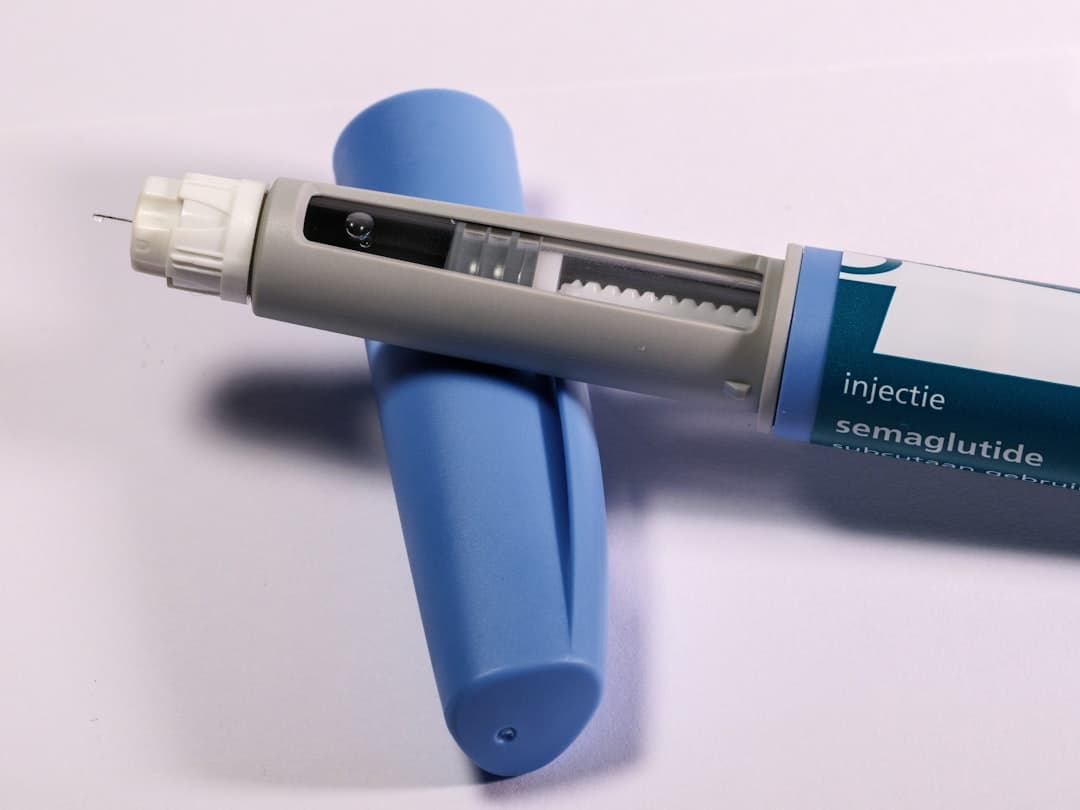
Một nghiên cứu đoàn hệ toàn quốc của Thụy Điển bao gồm những người mắc rối loạn lưỡng cực từ năm 2009 đến 2024 phát hiện những người sử dụng semaglutide, một loại thuốc chủ vận thụ thể GLP-1 được biết đến nhiều nhất dưới các tên thương mại như Ozempic và Wegovy, có nguy cơ nhập viện tâm thần thấp hơn 21% và nguy cơ tái phát rối loạn lưỡng cực thấp hơn 17% so với những người không sử dụng thuốc. Nghiên cứu, được công bố trên tạp chí Acta Psychiatrica Scandinavica, dựa trên sổ đăng ký y tế quốc gia của Thụy Điển và bao gồm 14.694 người mắc rối loạn lưỡng cực, trong đó 5.200 người đã từng sử dụng thuốc chủ vận thụ thể GLP-1.
Đáng chú ý, các nhà nghiên cứu phát hiện nguy cơ nhập viện giảm là đặc trưng riêng của semaglutide và không được quan sát thấy ở các loại thuốc chủ vận thụ thể GLP-1 khác cùng nhóm, cho thấy hiệu ứng này có thể không phải là một hiện tượng đơn giản áp dụng cho toàn bộ nhóm thuốc. Các tác giả cho biết những phát hiện này đảm bảo cần điều tra thêm về cách semaglutide có thể ảnh hưởng đến kết quả tâm thần ở những người mắc rối loạn lưỡng cực, đồng thời cảnh báo rằng bản chất quan sát của nghiên cứu có nghĩa là nó không thể chứng minh rằng thuốc trực tiếp gây ra nguy cơ giảm.
Key facts
- A Swedish nationwide cohort study included 14,694 people with bipolar disorder, 5,200 of whom used a GLP-1 receptor agonist
- Semaglutide use was linked to a 21% lower risk of psychiatric hospitalization and a 17% lower risk of bipolar relapse
- Other GLP-1 receptor agonist drugs did not show the same association - the effect appeared specific to semaglutide
- The study was published in Acta Psychiatrica Scandinavica and covered 2009 to 2024
Sources
Related articles

Health ·
Women Using HRT at Lower Risk of Dementia, Large Study Suggests
A large study tracking more than 180,000 postmenopausal women in the UK has found that those who used hormone replacement therapy were 10% less likely to be diagnosed with dementia and 16% less likely to develop Alzheimer's compared to those who never used it.

Science ·
Scientists Find How High Blood Sugar Helps Cancer Cells Hide From the Immune System
A new study shows cancer cells build a thick sugary shield around themselves to evade immune attack - and that high blood sugar makes that shield even stronger.

World ·
Chinese Teenagers Turn to Prescription Drugs to Escape Fear of Failure
Teenagers in China are seeking out mind-numbing prescription drugs to escape reality due to intense fears of failure, according to a teenager who spoke to the BBC.

Health ·
FDA Grants Accelerated Approval to New Drug Class for Multiple Myeloma Treatment
The FDA has granted accelerated approval to iberdomide in combination with daratumumab and dexamethasone for adults with relapsed or refractory multiple myeloma, marking the first approval for an entirely new class of cancer drugs called CELMoDs.

Health ·
Shingles Vaccine Linked to 24% Lower Dementia Risk in Large Study of Older Adults
A study of more than 500,000 U.S. adults found that those who received the Shingrix shingles vaccine were 24% less likely to be diagnosed with dementia over four years, though researchers caution the results show only an association.
Comments
Loading comments...