 Newsverz
Health ·
سویڈش تحقیق نے سیماگلوٹائیڈ کو بائی پولر ڈس آرڈر میں ہسپتال میں داخلے کے کم خطرے سے جوڑ دیا
بائی پولر ڈس آرڈر میں مبتلا افراد پر ایک بڑی سویڈش قومی گروہی تحقیق میں پایا گیا کہ سیماگلوٹائیڈ دوا استعمال کرنے والوں میں نفسیاتی ہسپتال میں داخلے کا خطرہ 21 فیصد کم اور بائی پولر دوبارگی کا خطرہ 17 فیصد کم تھا، یہ تعلق دیگر جی ایل پی-1 ریسیپٹر ایگونسٹ ادویات کے ساتھ نہیں دیکھا گیا۔
ذیل میں درج ذرائع سے AI کے ذریعے مرتب کیا گیا۔
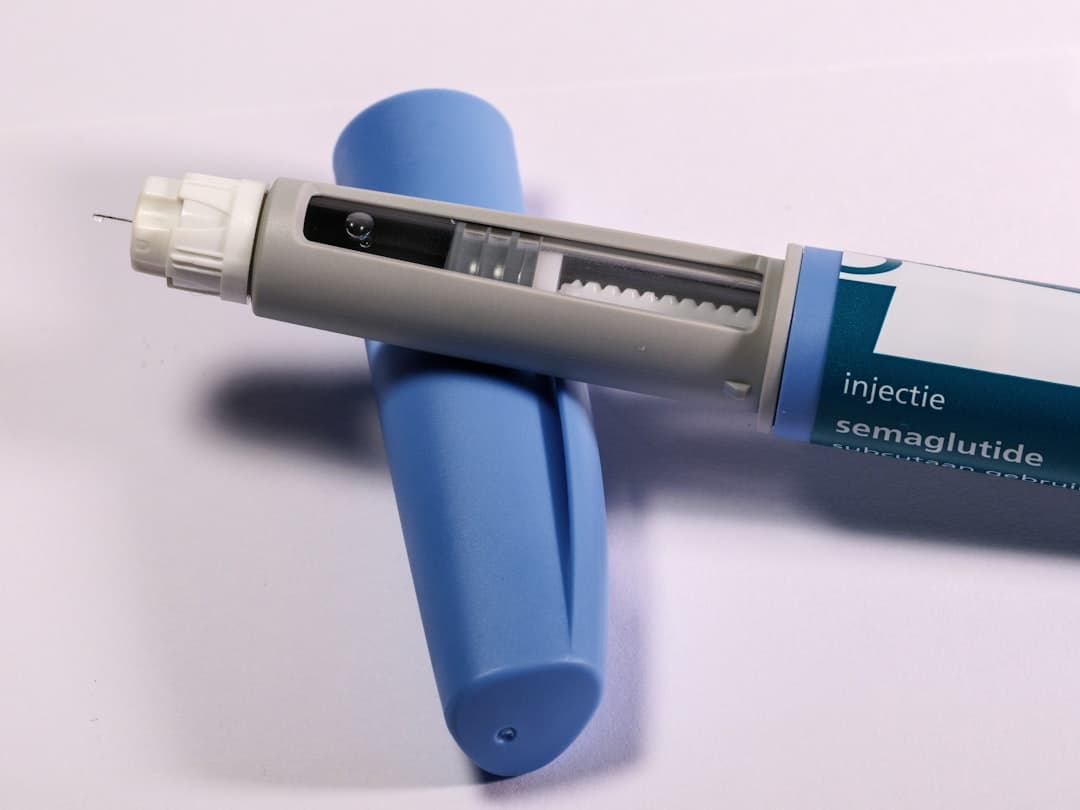
2009 سے 2024 کے درمیان بائی پولر ڈس آرڈر میں مبتلا افراد پر مشتمل ایک قومی سویڈش گروہی تحقیق میں پایا گیا کہ جن لوگوں نے سیماگلوٹائیڈ استعمال کیا، جو اوزیمپک اور ویگووی جیسے برانڈ ناموں سے سب سے زیادہ مشہور ایک جی ایل پی-1 ریسیپٹر ایگونسٹ دوا ہے، ان میں دوا استعمال نہ کرنے والوں کے مقابلے میں نفسیاتی ہسپتال میں داخلے کا خطرہ 21 فیصد کم اور بائی پولر دوبارگی کا خطرہ 17 فیصد کم تھا۔ ایکٹا سائیکیاٹریکا سکینڈینیویکا جریدے میں شائع ہونے والی اس تحقیق نے سویڈن کے قومی صحت رجسٹروں کا استعمال کیا اور اس میں بائی پولر ڈس آرڈر میں مبتلا 14,694 افراد شامل تھے، جن میں سے 5,200 نے جی ایل پی-1 ریسیپٹر ایگونسٹ استعمال کیا تھا۔
قابل ذکر بات یہ ہے کہ محققین نے پایا کہ ہسپتال میں داخلے کے کم خطرے کا تعلق خاص طور پر سیماگلوٹائیڈ سے تھا اور یہ اسی زمرے کی دیگر جی ایل پی-1 ریسیپٹر ایگونسٹ ادویات کے ساتھ نہیں دیکھا گیا، جو یہ ظاہر کرتا ہے کہ یہ اثر پورے زمرے کا ایک سادہ رجحان نہیں ہو سکتا۔ مصنفین نے کہا کہ نتائج اس بات کی مزید تحقیق کا تقاضا کرتے ہیں کہ سیماگلوٹائیڈ بائی پولر ڈس آرڈر میں مبتلا افراد میں نفسیاتی نتائج کو کیسے متاثر کر سکتا ہے، تاہم انہوں نے خبردار کیا کہ تحقیق کی مشاہداتی نوعیت کا مطلب یہ ہے کہ یہ ثابت نہیں کر سکتی کہ دوا براہ راست کم خطرے کا سبب بنتی ہے۔
Key facts
- A Swedish nationwide cohort study included 14,694 people with bipolar disorder, 5,200 of whom used a GLP-1 receptor agonist
- Semaglutide use was linked to a 21% lower risk of psychiatric hospitalization and a 17% lower risk of bipolar relapse
- Other GLP-1 receptor agonist drugs did not show the same association - the effect appeared specific to semaglutide
- The study was published in Acta Psychiatrica Scandinavica and covered 2009 to 2024
Sources
Related articles
Health ·
Women Using HRT at Lower Risk of Dementia, Large Study Suggests
A large study tracking more than 180,000 postmenopausal women in the UK has found that those who used hormone replacement therapy were 10% less likely to be diagnosed with dementia and 16% less likely to develop Alzheimer's compared to those who never used it.

Science ·
Scientists Find How High Blood Sugar Helps Cancer Cells Hide From the Immune System
A new study shows cancer cells build a thick sugary shield around themselves to evade immune attack - and that high blood sugar makes that shield even stronger.

World ·
Chinese Teenagers Turn to Prescription Drugs to Escape Fear of Failure
Teenagers in China are seeking out mind-numbing prescription drugs to escape reality due to intense fears of failure, according to a teenager who spoke to the BBC.

Health ·
FDA Grants Accelerated Approval to New Drug Class for Multiple Myeloma Treatment
The FDA has granted accelerated approval to iberdomide in combination with daratumumab and dexamethasone for adults with relapsed or refractory multiple myeloma, marking the first approval for an entirely new class of cancer drugs called CELMoDs.

Health ·
Shingles Vaccine Linked to 24% Lower Dementia Risk in Large Study of Older Adults
A study of more than 500,000 U.S. adults found that those who received the Shingrix shingles vaccine were 24% less likely to be diagnosed with dementia over four years, though researchers caution the results show only an association.
Comments
Loading comments...