 Newsverz
Health ·
İsveç Araştırması Semaglutid'i Bipolar Bozuklukta Daha Düşük Hastaneye Yatış Riskiyle İlişkilendirdi
Bipolar bozukluğu olan kişilere yönelik büyük bir İsveç ulusal kohort çalışması, semaglutid ilacını kullananların psikiyatrik hastaneye yatış riskinin yüzde 21 daha düşük ve bipolar nüks riskinin yüzde 17 daha düşük olduğunu buldu; bu ilişki diğer GLP-1 reseptör agonisti ilaçlarda görülmedi.
Aşağıda belirtilen kaynaklardan yapay zeka ile derlenmiştir.
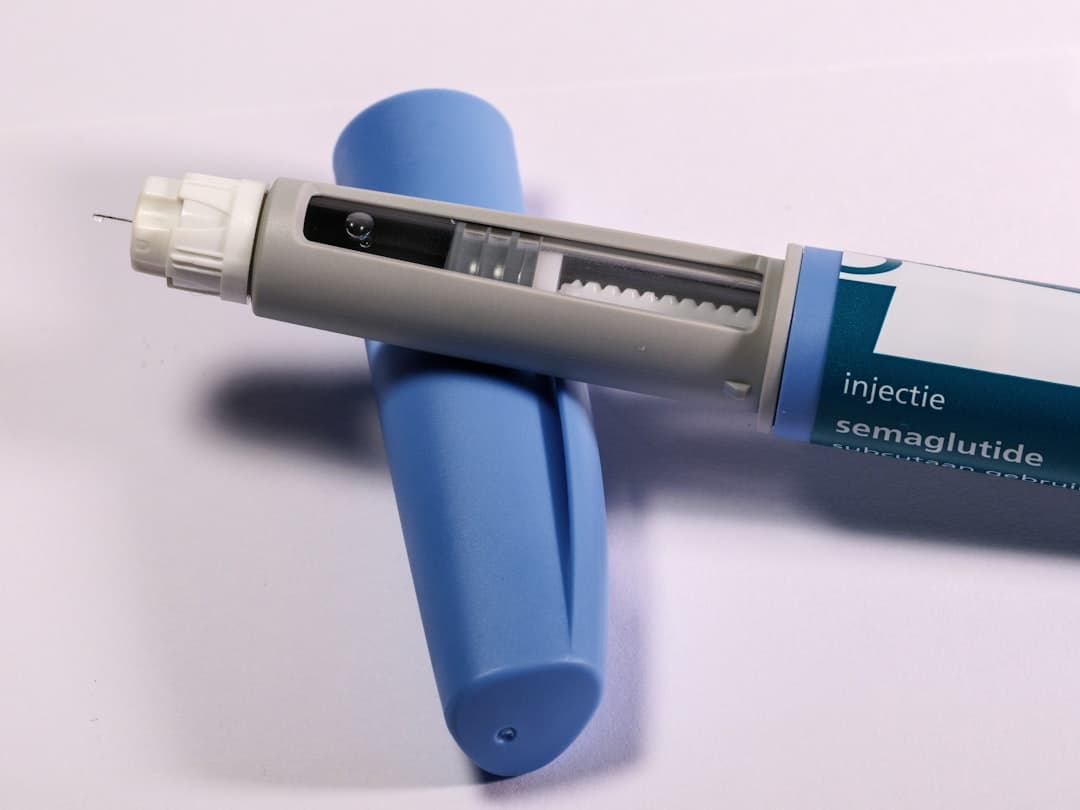
2009 ile 2024 yılları arasında bipolar bozukluğu olan kişileri kapsayan ulusal bir İsveç kohort çalışması, Ozempic ve Wegovy gibi marka isimleriyle en çok bilinen bir GLP-1 reseptör agonisti ilaç olan semaglutid kullananların, ilacı kullanmayanlara kıyasla yüzde 21 daha düşük psikiyatrik hastaneye yatış riskine ve yüzde 17 daha düşük bipolar nüks riskine sahip olduğunu buldu. Acta Psychiatrica Scandinavica dergisinde yayımlanan çalışma, İsveç'in ulusal sağlık kayıtlarına dayanıyordu ve bipolar bozukluğu olan 14.694 kişiyi içeriyordu; bunların 5.200'ü bir GLP-1 reseptör agonisti kullanmıştı.
Dikkat çekici bir şekilde, araştırmacılar azalan hastaneye yatış riskinin özellikle semaglutide özgü olduğunu ve aynı sınıftaki diğer GLP-1 reseptör agonisti ilaçlarda gözlemlenmediğini buldu; bu da etkinin tüm sınıfa özgü basit bir olgu olmayabileceğini gösteriyor. Yazarlar, bulguların semaglutid'in bipolar bozukluğu olan kişilerde psikiyatrik sonuçları nasıl etkileyebileceği konusunda daha fazla araştırma gerektirdiğini söyledi ve çalışmanın gözlemsel doğasının, ilacın azalan riske doğrudan neden olduğunu kanıtlayamayacağı anlamına geldiği konusunda uyardı.
Key facts
- A Swedish nationwide cohort study included 14,694 people with bipolar disorder, 5,200 of whom used a GLP-1 receptor agonist
- Semaglutide use was linked to a 21% lower risk of psychiatric hospitalization and a 17% lower risk of bipolar relapse
- Other GLP-1 receptor agonist drugs did not show the same association - the effect appeared specific to semaglutide
- The study was published in Acta Psychiatrica Scandinavica and covered 2009 to 2024
Sources
Related articles

Health ·
Women Using HRT at Lower Risk of Dementia, Large Study Suggests
A large study tracking more than 180,000 postmenopausal women in the UK has found that those who used hormone replacement therapy were 10% less likely to be diagnosed with dementia and 16% less likely to develop Alzheimer's compared to those who never used it.

Science ·
Scientists Find How High Blood Sugar Helps Cancer Cells Hide From the Immune System
A new study shows cancer cells build a thick sugary shield around themselves to evade immune attack - and that high blood sugar makes that shield even stronger.

World ·
Chinese Teenagers Turn to Prescription Drugs to Escape Fear of Failure
Teenagers in China are seeking out mind-numbing prescription drugs to escape reality due to intense fears of failure, according to a teenager who spoke to the BBC.

Health ·
FDA Grants Accelerated Approval to New Drug Class for Multiple Myeloma Treatment
The FDA has granted accelerated approval to iberdomide in combination with daratumumab and dexamethasone for adults with relapsed or refractory multiple myeloma, marking the first approval for an entirely new class of cancer drugs called CELMoDs.

Health ·
Shingles Vaccine Linked to 24% Lower Dementia Risk in Large Study of Older Adults
A study of more than 500,000 U.S. adults found that those who received the Shingrix shingles vaccine were 24% less likely to be diagnosed with dementia over four years, though researchers caution the results show only an association.
Comments
Loading comments...