 Newsverz
Health ·
การศึกษาสวีเดนเชื่อมโยงเซมากลูไทด์กับความเสี่ยงเข้ารักษาในโรงพยาบาลที่ลดลงในโรคไบโพลาร์
การศึกษากลุ่มประชากรระดับชาติขนาดใหญ่ของสวีเดนในผู้ป่วยโรคไบโพลาร์พบว่าผู้ที่ใช้ยาเซมากลูไทด์มีความเสี่ยงในการเข้ารักษาทางจิตเวชในโรงพยาบาลต่ำกว่า 21 เปอร์เซ็นต์ และความเสี่ยงในการกลับเป็นซ้ำของโรคไบโพลาร์ต่ำกว่า 17 เปอร์เซ็นต์ ซึ่งเป็นความสัมพันธ์ที่ไม่พบในยากลุ่ม GLP-1 receptor agonist อื่นๆ
สังเคราะห์โดย AI จากแหล่งที่มาที่อ้างอิงด้านล่าง
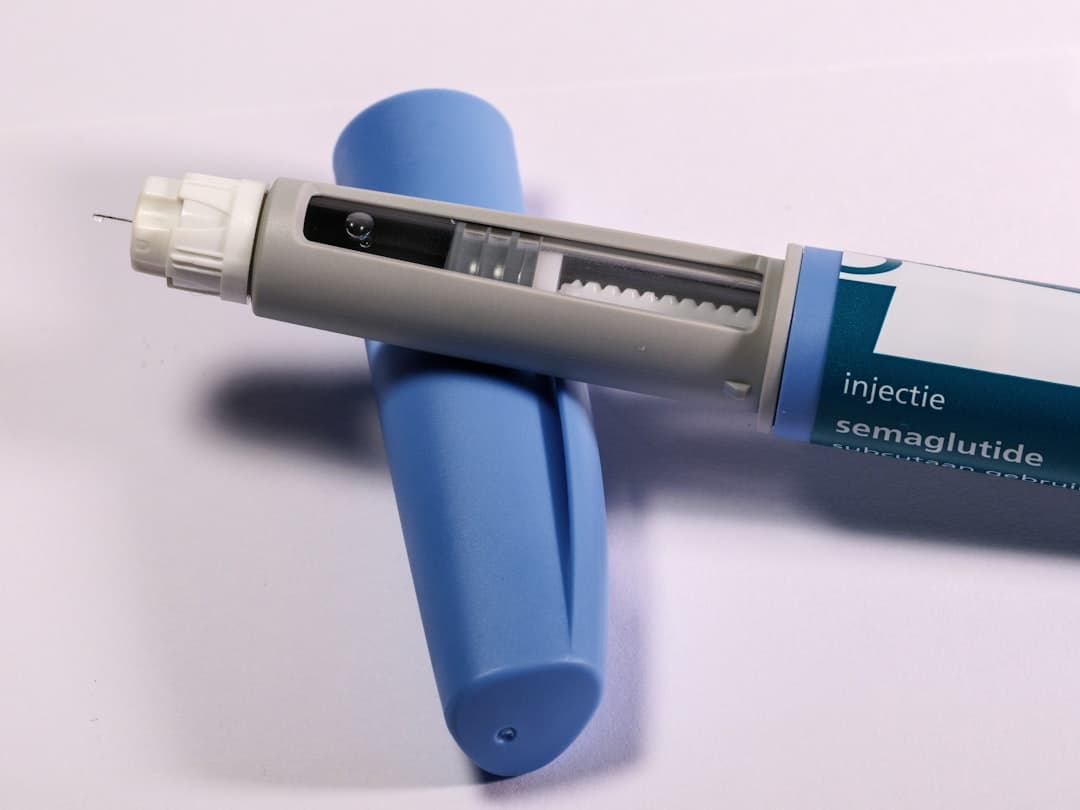
การศึกษากลุ่มประชากรระดับชาติของสวีเดนที่ครอบคลุมผู้ป่วยโรคไบโพลาร์ระหว่างปี 2009 ถึง 2024 พบว่าผู้ที่ใช้เซมากลูไทด์ ซึ่งเป็นยากลุ่ม GLP-1 receptor agonist ที่รู้จักกันดีในชื่อทางการค้าเช่น Ozempic และ Wegovy มีความเสี่ยงในการเข้ารักษาทางจิตเวชในโรงพยาบาลต่ำกว่า 21 เปอร์เซ็นต์ และความเสี่ยงในการกลับเป็นซ้ำของโรคไบโพลาร์ต่ำกว่า 17 เปอร์เซ็นต์ เมื่อเทียบกับผู้ที่ไม่ได้ใช้ยา การศึกษานี้ตีพิมพ์ในวารสาร Acta Psychiatrica Scandinavica โดยอ้างอิงจากทะเบียนสุขภาพแห่งชาติของสวีเดน และรวมผู้ป่วยโรคไบโพลาร์ 14,694 ราย ซึ่ง 5,200 รายเคยใช้ยากลุ่ม GLP-1 receptor agonist
ที่น่าสังเกตคือ นักวิจัยพบว่าความเสี่ยงในการเข้ารักษาในโรงพยาบาลที่ลดลงนี้จำเพาะกับเซมากลูไทด์ และไม่พบในยากลุ่ม GLP-1 receptor agonist อื่นๆ ในกลุ่มเดียวกัน ซึ่งบ่งชี้ว่าผลนี้อาจไม่ใช่ปรากฏการณ์ง่ายๆ ที่เกิดกับยาทั้งกลุ่ม ผู้เขียนกล่าวว่าผลการวิจัยนี้จำเป็นต้องมีการตรวจสอบเพิ่มเติมว่าเซมากลูไทด์อาจส่งผลต่อผลลัพธ์ทางจิตเวชในผู้ป่วยโรคไบโพลาร์อย่างไร โดยเตือนว่าลักษณะเชิงสังเกตของการศึกษานี้หมายความว่าไม่สามารถพิสูจน์ได้ว่ายาเป็นสาเหตุโดยตรงของความเสี่ยงที่ลดลง
Key facts
- A Swedish nationwide cohort study included 14,694 people with bipolar disorder, 5,200 of whom used a GLP-1 receptor agonist
- Semaglutide use was linked to a 21% lower risk of psychiatric hospitalization and a 17% lower risk of bipolar relapse
- Other GLP-1 receptor agonist drugs did not show the same association - the effect appeared specific to semaglutide
- The study was published in Acta Psychiatrica Scandinavica and covered 2009 to 2024
Sources
Related articles
Health ·
Women Using HRT at Lower Risk of Dementia, Large Study Suggests
A large study tracking more than 180,000 postmenopausal women in the UK has found that those who used hormone replacement therapy were 10% less likely to be diagnosed with dementia and 16% less likely to develop Alzheimer's compared to those who never used it.
Science ·
Scientists Find How High Blood Sugar Helps Cancer Cells Hide From the Immune System
A new study shows cancer cells build a thick sugary shield around themselves to evade immune attack - and that high blood sugar makes that shield even stronger.

World ·
Chinese Teenagers Turn to Prescription Drugs to Escape Fear of Failure
Teenagers in China are seeking out mind-numbing prescription drugs to escape reality due to intense fears of failure, according to a teenager who spoke to the BBC.

Health ·
FDA Grants Accelerated Approval to New Drug Class for Multiple Myeloma Treatment
The FDA has granted accelerated approval to iberdomide in combination with daratumumab and dexamethasone for adults with relapsed or refractory multiple myeloma, marking the first approval for an entirely new class of cancer drugs called CELMoDs.

Health ·
Shingles Vaccine Linked to 24% Lower Dementia Risk in Large Study of Older Adults
A study of more than 500,000 U.S. adults found that those who received the Shingrix shingles vaccine were 24% less likely to be diagnosed with dementia over four years, though researchers caution the results show only an association.
Comments
Loading comments...