 Newsverz
Health ·
Utafiti wa Uswidi Waunganisha Semaglutide na Hatari Ndogo ya Kulazwa Hospitalini Katika Ugonjwa wa Bipolar
Utafiti mkubwa wa kikundi wa kitaifa wa Uswidi kuhusu watu wenye ugonjwa wa bipolar uligundua kuwa wale waliotumia dawa ya semaglutide walikuwa na hatari ndogo ya asilimia 21 ya kulazwa hospitalini kwa magonjwa ya akili na hatari ndogo ya asilimia 17 ya kurudia bipolar, uhusiano ambao haukuonekana na dawa nyingine za agonist za kipokezi cha GLP-1.
Imeundwa na AI kutoka vyanzo vilivyotajwa hapa chini.
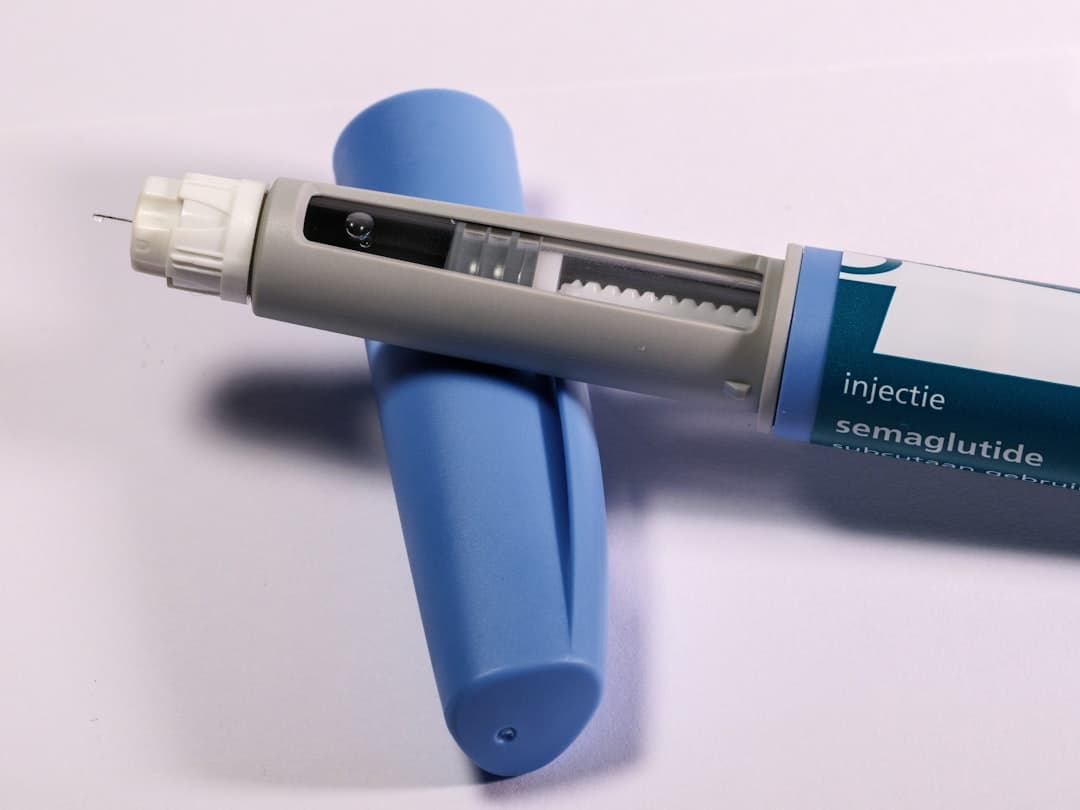
Utafiti wa kikundi wa kitaifa wa Uswidi uliohusisha watu wenye ugonjwa wa bipolar kati ya 2009 na 2024 uligundua kuwa wale waliotumia semaglutide, dawa ya agonist ya kipokezi cha GLP-1 inayojulikana zaidi kwa majina ya kibiashara kama Ozempic na Wegovy, walikuwa na hatari ndogo ya asilimia 21 ya kulazwa hospitalini kwa magonjwa ya akili na hatari ndogo ya asilimia 17 ya kurudia bipolar ikilinganishwa na wale ambao hawakutumia dawa hiyo. Utafiti huo, uliochapishwa katika jarida la Acta Psychiatrica Scandinavica, ulitegemea kumbukumbu za kitaifa za afya za Uswidi na ulihusisha watu 14,694 wenye ugonjwa wa bipolar, ambapo 5,200 kati yao walikuwa wametumia agonist ya kipokezi cha GLP-1.
Kwa kustaajabisha, watafiti waligundua kuwa hatari iliyopungua ya kulazwa hospitalini ilikuwa maalum kwa semaglutide na haikuonekana na dawa nyingine za agonist za kipokezi cha GLP-1 katika daraja lile lile, ikionyesha kuwa athari hiyo huenda isiwe jambo rahisi la daraja zima. Waandishi walisema matokeo hayo yanahitaji uchunguzi zaidi kuhusu jinsi semaglutide inavyoweza kuathiri matokeo ya kiakili kwa watu wenye ugonjwa wa bipolar, wakionya kuwa hali ya uchunguzi wa utafiti huo inamaanisha hauwezi kuthibitisha kuwa dawa hiyo husababisha moja kwa moja kupungua kwa hatari.
Key facts
- A Swedish nationwide cohort study included 14,694 people with bipolar disorder, 5,200 of whom used a GLP-1 receptor agonist
- Semaglutide use was linked to a 21% lower risk of psychiatric hospitalization and a 17% lower risk of bipolar relapse
- Other GLP-1 receptor agonist drugs did not show the same association - the effect appeared specific to semaglutide
- The study was published in Acta Psychiatrica Scandinavica and covered 2009 to 2024
Sources
Related articles

Health ·
Women Using HRT at Lower Risk of Dementia, Large Study Suggests
A large study tracking more than 180,000 postmenopausal women in the UK has found that those who used hormone replacement therapy were 10% less likely to be diagnosed with dementia and 16% less likely to develop Alzheimer's compared to those who never used it.

Science ·
Scientists Find How High Blood Sugar Helps Cancer Cells Hide From the Immune System
A new study shows cancer cells build a thick sugary shield around themselves to evade immune attack - and that high blood sugar makes that shield even stronger.

World ·
Chinese Teenagers Turn to Prescription Drugs to Escape Fear of Failure
Teenagers in China are seeking out mind-numbing prescription drugs to escape reality due to intense fears of failure, according to a teenager who spoke to the BBC.

Health ·
FDA Grants Accelerated Approval to New Drug Class for Multiple Myeloma Treatment
The FDA has granted accelerated approval to iberdomide in combination with daratumumab and dexamethasone for adults with relapsed or refractory multiple myeloma, marking the first approval for an entirely new class of cancer drugs called CELMoDs.

Health ·
Shingles Vaccine Linked to 24% Lower Dementia Risk in Large Study of Older Adults
A study of more than 500,000 U.S. adults found that those who received the Shingrix shingles vaccine were 24% less likely to be diagnosed with dementia over four years, though researchers caution the results show only an association.
Comments
Loading comments...