 Newsverz
Health ·
مطالعه سوئدی سماگلوتاید را با کاهش خطر بستری شدن در اختلال دوقطبی مرتبط دانست
یک مطالعه گروهی بزرگ سراسری سوئدی بر روی افراد مبتلا به اختلال دوقطبی نشان داد کسانی که از داروی سماگلوتاید استفاده میکردند، خطر بستری شدن روانپزشکی آنها ۲۱ درصد و خطر عود اختلال دوقطبی ۱۷ درصد کمتر بود؛ ارتباطی که در سایر داروهای آگونیست گیرنده GLP-1 مشاهده نشد.
توسط هوش مصنوعی از منابع ذکر شده در زیر ترکیب شده است.
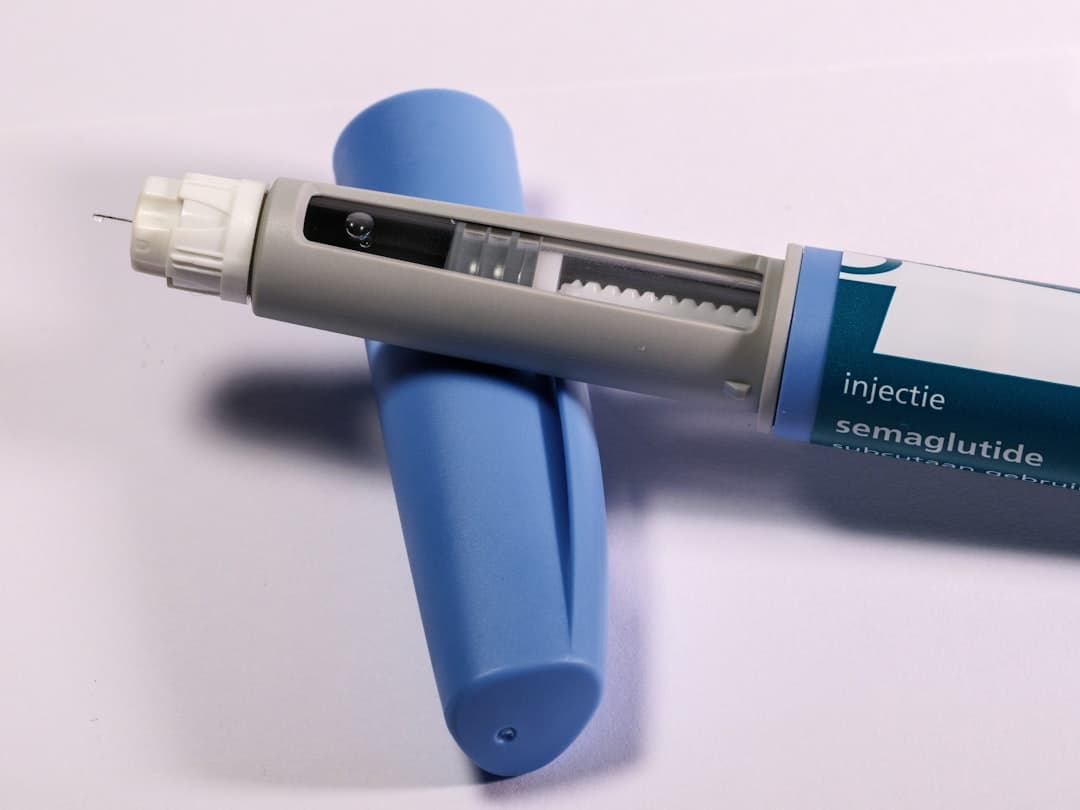
یک مطالعه گروهی سراسری سوئدی که افراد مبتلا به اختلال دوقطبی را بین سالهای ۲۰۰۹ تا ۲۰۲۴ پوشش میداد، نشان داد کسانی که از سماگلوتاید، دارویی آگونیست گیرنده GLP-1 که بیشتر با نامهای تجاری مانند اوزمپیک و وگووی شناخته میشود، استفاده میکردند، در مقایسه با کسانی که این دارو را مصرف نمیکردند، خطر بستری شدن روانپزشکی ۲۱ درصد و خطر عود اختلال دوقطبی ۱۷ درصد کمتری داشتند. این مطالعه که در مجله Acta Psychiatrica Scandinavica منتشر شد، بر پایه ثبتهای سلامت ملی سوئد بود و شامل ۱۴,۶۹۴ نفر مبتلا به اختلال دوقطبی میشد که ۵,۲۰۰ نفر از آنها از یک آگونیست گیرنده GLP-1 استفاده کرده بودند.
قابل توجه است که پژوهشگران دریافتند کاهش خطر بستری شدن مختص سماگلوتاید بود و در سایر داروهای آگونیست گیرنده GLP-1 از همان دسته مشاهده نشد، که نشان میدهد این اثر ممکن است پدیدهای ساده و مختص کل این دسته دارویی نباشد. نویسندگان گفتند این یافتهها نیازمند بررسی بیشتر درباره چگونگی تأثیر سماگلوتاید بر پیامدهای روانپزشکی در افراد مبتلا به اختلال دوقطبی است و هشدار دادند که ماهیت مشاهدهای این مطالعه به این معنی است که نمیتواند ثابت کند این دارو مستقیما موجب کاهش خطر میشود.
Key facts
- A Swedish nationwide cohort study included 14,694 people with bipolar disorder, 5,200 of whom used a GLP-1 receptor agonist
- Semaglutide use was linked to a 21% lower risk of psychiatric hospitalization and a 17% lower risk of bipolar relapse
- Other GLP-1 receptor agonist drugs did not show the same association - the effect appeared specific to semaglutide
- The study was published in Acta Psychiatrica Scandinavica and covered 2009 to 2024
Sources
Related articles
Health ·
Women Using HRT at Lower Risk of Dementia, Large Study Suggests
A large study tracking more than 180,000 postmenopausal women in the UK has found that those who used hormone replacement therapy were 10% less likely to be diagnosed with dementia and 16% less likely to develop Alzheimer's compared to those who never used it.

Science ·
Scientists Find How High Blood Sugar Helps Cancer Cells Hide From the Immune System
A new study shows cancer cells build a thick sugary shield around themselves to evade immune attack - and that high blood sugar makes that shield even stronger.

World ·
Chinese Teenagers Turn to Prescription Drugs to Escape Fear of Failure
Teenagers in China are seeking out mind-numbing prescription drugs to escape reality due to intense fears of failure, according to a teenager who spoke to the BBC.

Health ·
FDA Grants Accelerated Approval to New Drug Class for Multiple Myeloma Treatment
The FDA has granted accelerated approval to iberdomide in combination with daratumumab and dexamethasone for adults with relapsed or refractory multiple myeloma, marking the first approval for an entirely new class of cancer drugs called CELMoDs.

Health ·
Shingles Vaccine Linked to 24% Lower Dementia Risk in Large Study of Older Adults
A study of more than 500,000 U.S. adults found that those who received the Shingrix shingles vaccine were 24% less likely to be diagnosed with dementia over four years, though researchers caution the results show only an association.
Comments
Loading comments...