 Newsverz
Health ·
دراسة سويدية تربط عقار سيماغلوتيد بانخفاض خطر الاستشفاء في الاضطراب ثنائي القطب
وجدت دراسة أترابية سويدية واسعة على المستوى الوطني للأشخاص المصابين بالاضطراب ثنائي القطب أن الذين يستخدمون عقار سيماغلوتيد لديهم خطر أقل بنسبة 21 بالمئة للاستشفاء النفسي وخطر أقل بنسبة 17 بالمئة لانتكاسة ثنائي القطب، وهو ارتباط لم يُلاحظ مع أدوية ناهضات مستقبلات GLP-1 الأخرى.
تم تجميع هذا المحتوى بالذكاء الاصطناعي من المصادر المذكورة أدناه.
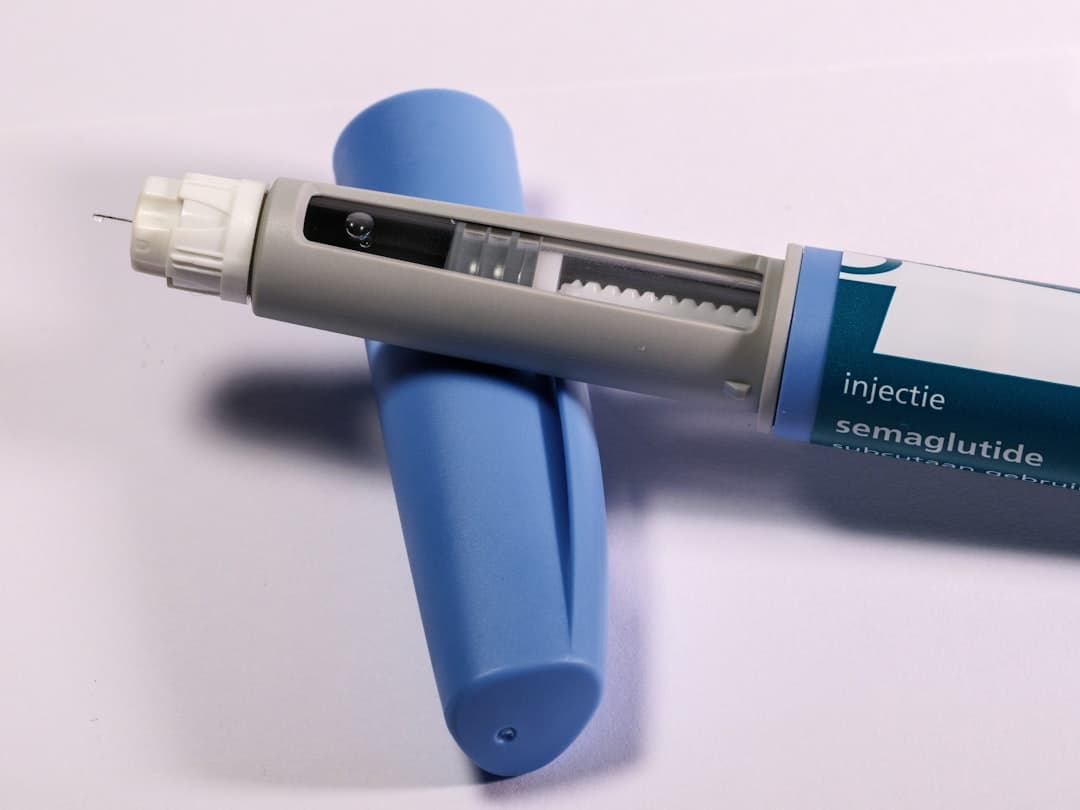
وجدت دراسة أترابية سويدية على المستوى الوطني شملت أشخاصا مصابين بالاضطراب ثنائي القطب بين عامي 2009 و2024 أن من استخدموا سيماغلوتيد، وهو عقار ناهض لمستقبلات GLP-1 معروف تحت أسماء تجارية مثل أوزمبيك وويغوفي، كان لديهم خطر أقل بنسبة 21 بالمئة للاستشفاء النفسي وخطر أقل بنسبة 17 بالمئة لانتكاسة ثنائي القطب مقارنة بمن لم يستخدموا العقار. واستندت الدراسة، المنشورة في مجلة Acta Psychiatrica Scandinavica، إلى سجلات الصحة الوطنية السويدية وشملت 14694 شخصا مصابا بالاضطراب ثنائي القطب، منهم 5200 استخدموا ناهض مستقبلات GLP-1.
وعلى نحو لافت، وجد الباحثون أن انخفاض خطر الاستشفاء كان خاصا بعقار سيماغلوتيد ولم يُلاحظ مع أدوية أخرى ناهضة لمستقبلات GLP-1 من نفس الفئة، ما يشير إلى أن هذا التأثير قد لا يكون ظاهرة عامة لكل الفئة. وقال المؤلفون إن النتائج تستدعي مزيدا من البحث حول كيفية تأثير سيماغلوتيد على النتائج النفسية لدى الأشخاص المصابين بالاضطراب ثنائي القطب، محذرين من أن الطبيعة الرصدية للدراسة تعني أنها لا تستطيع إثبات أن العقار يسبب مباشرة انخفاض الخطر.
Key facts
- A Swedish nationwide cohort study included 14,694 people with bipolar disorder, 5,200 of whom used a GLP-1 receptor agonist
- Semaglutide use was linked to a 21% lower risk of psychiatric hospitalization and a 17% lower risk of bipolar relapse
- Other GLP-1 receptor agonist drugs did not show the same association - the effect appeared specific to semaglutide
- The study was published in Acta Psychiatrica Scandinavica and covered 2009 to 2024
Sources
Related articles
Health ·
Women Using HRT at Lower Risk of Dementia, Large Study Suggests
A large study tracking more than 180,000 postmenopausal women in the UK has found that those who used hormone replacement therapy were 10% less likely to be diagnosed with dementia and 16% less likely to develop Alzheimer's compared to those who never used it.
Science ·
Scientists Find How High Blood Sugar Helps Cancer Cells Hide From the Immune System
A new study shows cancer cells build a thick sugary shield around themselves to evade immune attack - and that high blood sugar makes that shield even stronger.

World ·
Chinese Teenagers Turn to Prescription Drugs to Escape Fear of Failure
Teenagers in China are seeking out mind-numbing prescription drugs to escape reality due to intense fears of failure, according to a teenager who spoke to the BBC.
Health ·
FDA Grants Accelerated Approval to New Drug Class for Multiple Myeloma Treatment
The FDA has granted accelerated approval to iberdomide in combination with daratumumab and dexamethasone for adults with relapsed or refractory multiple myeloma, marking the first approval for an entirely new class of cancer drugs called CELMoDs.
Health ·
Shingles Vaccine Linked to 24% Lower Dementia Risk in Large Study of Older Adults
A study of more than 500,000 U.S. adults found that those who received the Shingrix shingles vaccine were 24% less likely to be diagnosed with dementia over four years, though researchers caution the results show only an association.
Comments
Loading comments...