 Newsverz
Health ·
FDA Yatoa Idhini ya Haraka kwa Aina Mpya ya Dawa kwa Matibabu ya Multiple Myeloma
FDA imetoa idhini ya haraka kwa iberdomide ikichanganywa na daratumumab na dexamethasone kwa watu wazima wenye multiple myeloma iliyorudi au sugu, ikiashiria idhini ya kwanza kwa aina mpya kabisa ya dawa za saratani ziitwazo CELMoD.
Imeundwa na AI kutoka vyanzo vilivyotajwa hapa chini.
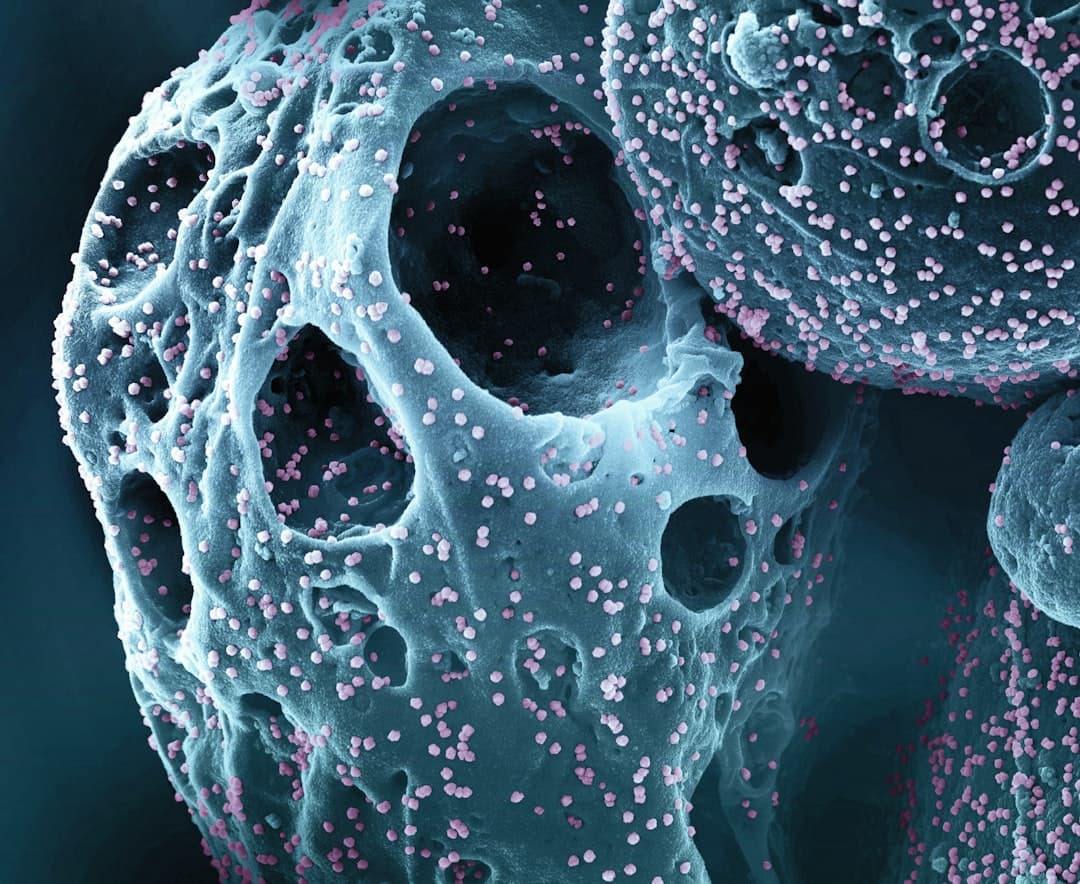
Mamlaka ya Chakula na Dawa ya Marekani (FDA) ilitoa idhini ya haraka tarehe 13 Agosti kwa iberdomide, inayouzwa kama Zenbexus na Bristol-Myers Squibb, ikichanganywa na daratumumab, hyaluronidase-fihj na dexamethasone kwa watu wazima wenye multiple myeloma ambao tayari wamepokea angalau mstari mmoja wa tiba uliopita ukiwemo kizuizi cha proteasome na wakala wa kurekebisha kinga ya mwili. Mchanganyiko huo, unaojulikana kama IberDd, unawakilisha idhini ya kwanza kwa aina mpya kabisa ya dawa inayojulikana kama kirekebishi cha cereblon E3 ligase, au CELMoD.
Idhini hiyo ilitegemea matokeo ya jaribio la EXCALIBER-RRMM, uchunguzi wa nasibu, wa vituo vingi, wa lebo wazi wa watu wazima wenye multiple myeloma iliyorudi au sugu waliopokea mstari mmoja au miwili ya matibabu ya awali. Kipimo muhimu cha ufanisi wa dawa hiyo, mwitikio kamili hasi wa MRD, kilitokea kwa asilimia 41 ya wagonjwa waliopokea mchanganyiko mpya wa IberDd, ikilinganishwa na asilimia 21 ya wagonjwa kwenye mpango wa zamani wa DVd, tofauti iliyohukumiwa kuwa na umuhimu mkubwa kitakwimu.
Mapitio hayo yalifanywa chini ya Project Orbis, mpango wa Kituo cha Ubora wa Oncology cha FDA unaoruhusu mapitio ya wakati mmoja ya dawa za saratani na wadhibiti kutoka nchi nyingi; kwa ombi hili, FDA ilifanya kazi pamoja na Swissmedic ya Uswisi. Multiple myeloma ni saratani ya seli za plasma kwenye uboho wa mfupa ambayo, licha ya maendeleo ya matibabu katika miaka ya hivi karibuni, inasalia kutotibika kwa kiasi kikubwa, na kufanya aina mpya za dawa zenye taratibu tofauti za utendaji kuwa muhimu hasa kwa wagonjwa waliomaliza chaguo za matibabu ya kawaida.
Key facts
- The FDA granted accelerated approval to iberdomide (Zenbexus) on August 13
- It is used in combination with daratumumab, hyaluronidase-fihj and dexamethasone
- It is the first approval for a new drug class called CELMoDs
- In trials, 41% of patients achieved MRD-negative complete response versus 21% on the older regimen
Related articles

Health ·
Shingles Vaccine Linked to 24% Lower Dementia Risk in Large Study of Older Adults
A study of more than 500,000 U.S. adults found that those who received the Shingrix shingles vaccine were 24% less likely to be diagnosed with dementia over four years, though researchers caution the results show only an association.

Health ·
Brain-Implant Device Restores Reading Vision in Patients With Advanced Macular Degeneration
Science Corp.'s PRIMA brain-computer interface, now commercially available across Europe, let 84% of patients in a published clinical trial regain the ability to read after losing central vision to geographic atrophy.

Health ·
Women Using HRT at Lower Risk of Dementia, Large Study Suggests
A large study tracking more than 180,000 postmenopausal women in the UK has found that those who used hormone replacement therapy were 10% less likely to be diagnosed with dementia and 16% less likely to develop Alzheimer's compared to those who never used it.

Health ·
German Airport Worker Dies of Malaria in Rare Outbreak
An airport worker in Germany has died of malaria following a rare outbreak at the country's busiest airport, which officials believe may have been caused by a mosquito arriving on a plane, while five other workers are currently receiving treatment.

Health ·
Radiation link in flight attendant's breast cancer, French court finds
A French court has recognized the breast cancer of former Air France stewardess Sophie Lainault as an occupational disease due to a radiation link.
Comments
Loading comments...